
Team Culture
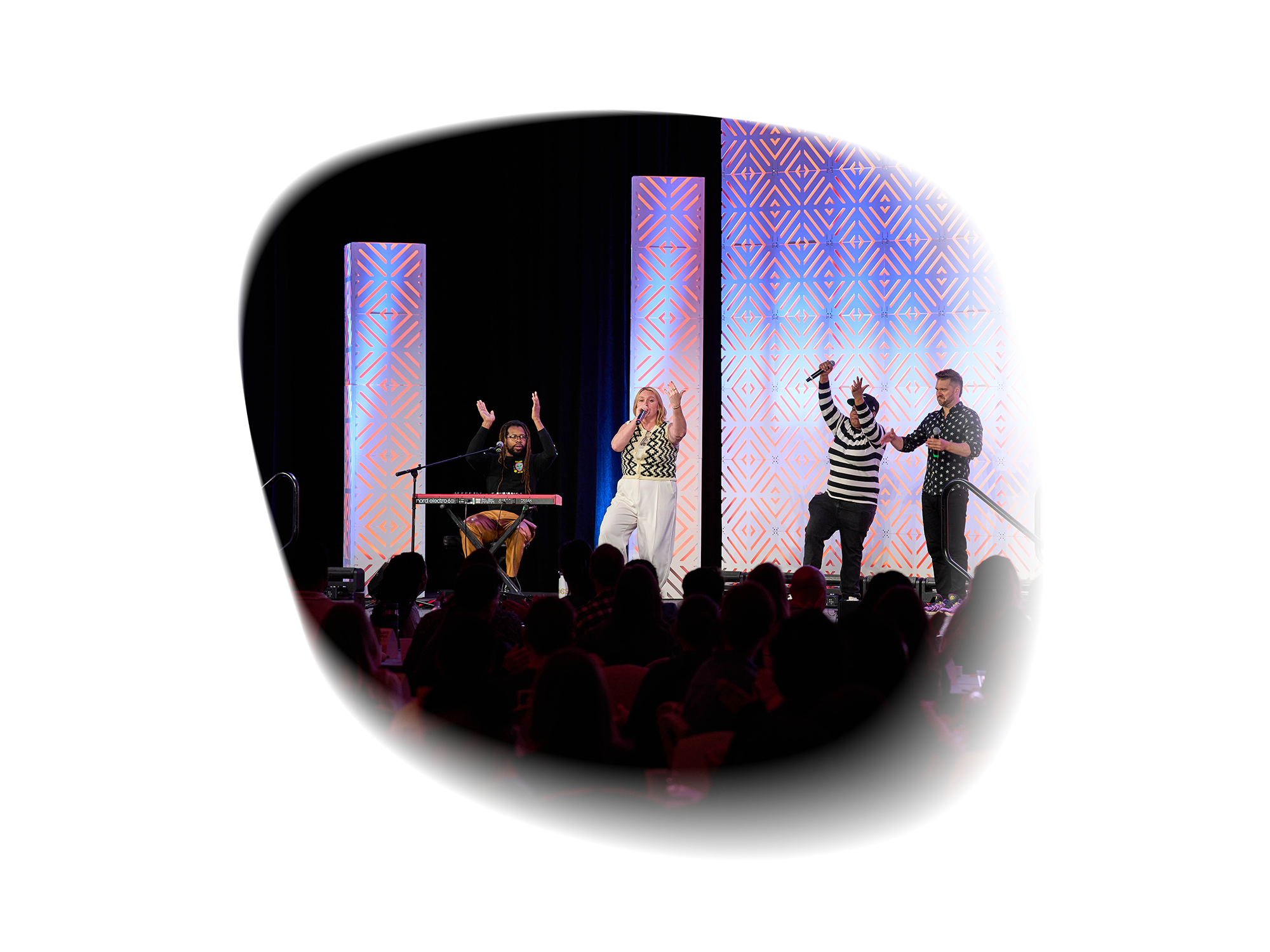
A thriving team culture doesn’t happen by accident; it’s built with intention.
Most workplaces reward the loudest voice or the fastest idea, leaving quieter thinkers, emerging leaders, and fresh perspectives buried beneath the pace of the day.
When teams don’t have structures that support risk-taking and equal contribution, creativity shrinks and trust erodes.
This workshop helps leaders build cultures where every voice carries weight, ideas flow freely, and people feel safe enough to take bold chances.
Participants learn practical tools for structuring meetings, encouraging healthy risk, and fostering a mindset of curiosity over perfection.
Grounded in neuroscience, communication research, and experiential practice, this experience equips managers to create environments where teams think bigger, innovate faster, and grow together.

The Five Pillars of Lasting Team Culture
Each workshop is built around the core elements that strengthen trust, creativity, and collaboration across every team.


Vocal Equity
Healthy cultures start with balanced airtime. Voice equity ensures every team member — not just the fastest, loudest, or most senior — has space to contribute. Through structured turn-taking, prompt-driven discussions, and meeting formats that protect quieter thinkers, leaders learn how to unlock the full spectrum of ideas and perspectives already inside their team.
Creative Courage
Innovation comes from people who feel safe enough to take risks.
This pillar teaches teams how to replace perfectionism with experimentation, turn fear into curiosity, and build habits that encourage bold thinking. Leaders learn to model vulnerability, reward smart risks, and create environments where “what if?” is a welcome starting point.

Trust Culture
Trust is the foundation of every high-performing team. Learn communication patterns that either strengthen or erode trust: interruptions, conversational dominance, unspoken norms, and unclear expectations. Leaders learn how to reduce hidden status barriers, respond constructively to mistakes, and create a climate where people feel supported to speak up and stretch.

Cross - Team Integration
Great cultures don’t exist in silos.
This pillar helps teams break out of departmental bubbles and build fluid collaboration across roles, functions, and experience levels. Leaders learn frameworks for cross-team information flow, shared learning, and collaborative problem-solving so that ideas move freely instead of getting stuck in hierarchy or habit.
Adaptive Mindset
Cultures last when teams can evolve.
This pillar helps leaders build the mental muscles behind resilience, flexibility, and creative problem-solving. Grounded in neuroscience and improvisational principles, participants learn how to shift from threat mode to possibility mode, navigate change without friction, and stay resourceful under pressure.
What Your Team Will Experience
*
What Your Team Will Experience *
Your team will experience the core behaviors that create a high-performing culture, not as theory, but as embodied practice.
They will learn:
Evidence-based communication structures that ensure equal participation
Techniques for managing interruptions and balancing airtime
How to reframe stress and uncertainty to stay adaptive and creative
Collaborative methods that improve problem-solving and innovation
Feedback and listening tools that deepen trust across the team
Interactive challenges that reinforce psychological safety
The goal isn’t just a great workshop — it’s lasting behavior change. Teams leave with tools they can immediately apply to build a culture that is inclusive, resilient, and primed for growth.
The Lasting Impact
*
The Lasting Impact *

The impact doesn’t end when the workshop does.
Leaders will leave with the tools and habits that create strong, sustainable team culture — not as abstract concepts, but as practical skills they can implement the very next day.
They will gain:
Leadership frameworks that ensure every voice is heard and valued
Meeting structures that promote balanced airtime, clarity, and shared ownership
Strategies for modeling creative risk-taking so teams feel safe to experiment and contribute
Stress management tools to stay grounded, present, and adaptive under pressure
Methods for identifying and shifting hidden communication patterns that limit collaboration
Coaching and feedback techniques that deepen trust, accountability, and alignment
The goal isn’t a single inspiring session — it’s long-term transformation. Leaders walk away with systems, language, and behaviors they can immediately use to cultivate teams that are inclusive, courageous, and built for growth.
If you’re ready to unlock your team’s full potential, take the first step:


The Research: Empowering Leadership and Employee Improvisation
In 2023, researchers examined how leaders who share power and autonomy influence their team’s ability to improvise — think fast, adapt quickly, and generate creative solutions under pressure.
They specifically looked at how two types of stress (challenge vs. hindrance) and employees’ psychological availability shape that connection.
What They Found
Empowering leadership boosts improvisation: When leaders trust, delegate, and share information, employees respond with more spontaneous and creative action.
Challenge stress fuels performance: Empowering leadership increases “good stress” — pressure that feels meaningful and achievable — which energizes problem-solving.
Hindrance stress shuts people down: Empowering leadership reduces “bad stress” like bureaucracy, unclear roles, or politics that waste energy and block innovation.
Psychological availability supercharges the effect: When employees feel mentally and emotionally ready, challenge stress becomes rocket fuel — and hindrance stress loses its power.
What It Means for Leaders
Create conditions for autonomy. Give ownership of decisions and trust people to deliver.
Shape the right kind of pressure. Stretch goals should motivate, not overwhelm.
Remove performance blockers. Cut unnecessary steps, clarify expectations, and reduce noise.
Support capacity and well-being. Protect your team’s mental bandwidth so they can rise to challenges instead of shutting down.
Empowering leadership turns pressure into performance — but only when leaders remove barriers and build environments where people feel ready, supported, and trusted.

FAQ
-
Both.
Managers gain leadership frameworks for designing inclusive, innovative environments, while teams learn the communication habits that make those environments work.The session can be tailored for leaders only, full teams, or a mix of both.
-
The workshop is fully interactive — but never performative.
Activities are designed to be inclusive, accessible, and comfortable for all personality types.Participants won’t be put on the spot; instead, they’ll practice communication and collaboration through structured, low-pressure exercises.
-
The session uses meeting formats and communication structures that naturally create space for quieter voices.
Through guided prompts, turn-taking frameworks, and supportive group interactions, introverted team members gain more opportunities to speak, contribute, and be heard, without having to force extroverted behavior.
-
This workshop blends neuroscience, vocal communication, improvisational techniques, and evidence-based organizational research.
It focuses on behaviors teams can practice in real time — not theories they’ll forget later — and gives leaders repeatable systems they can apply immediately.
-
Workshops can be customized to fit your agenda. The most popular formats are 60–90 minutes, half-day sessions, or full-day experiences.
Longer sessions allow for deeper practice, coaching, and team integration, but even short formats deliver powerful, actionable tools.
-
Sessions work well for groups of all sizes, from small leadership teams to large departments or all-staff gatherings.
For the most hands-on experience with personalized coaching and practice, groups of 10–40 are ideal.
For keynote-style sessions, the workshop can scale to hundreds while still keeping the experience engaging and participatory.
-
Yes.
Many teams choose to combine the workshop with follow-up sessions, leadership coaching, or multi-month culture programs. This strengthens retention and supports long-lasting behavior change.